

Academic and Professional Profile


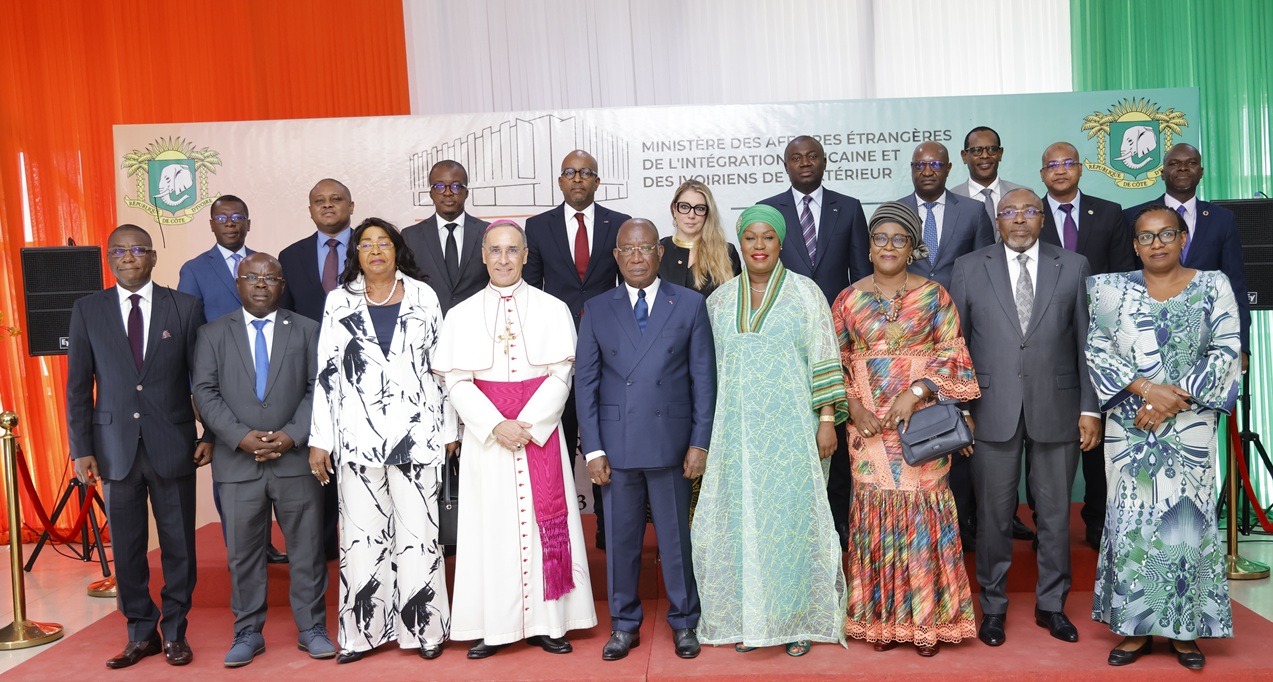
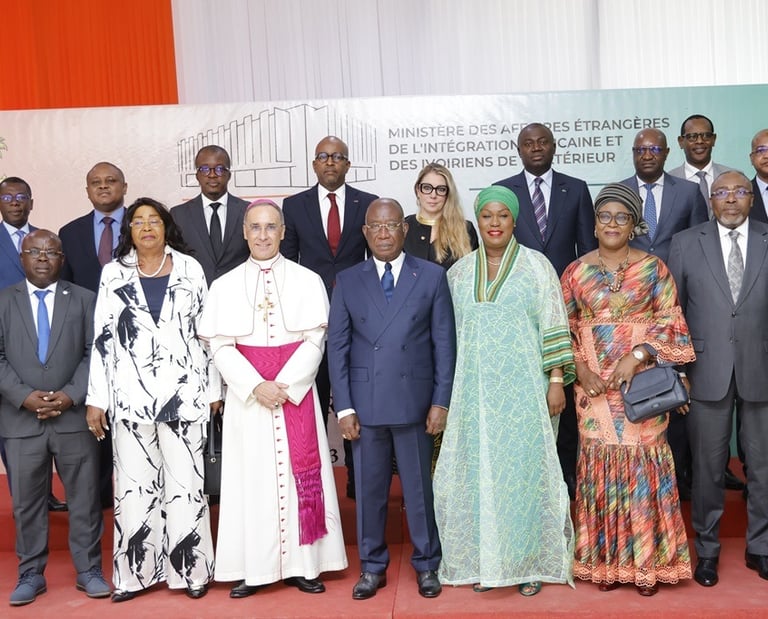

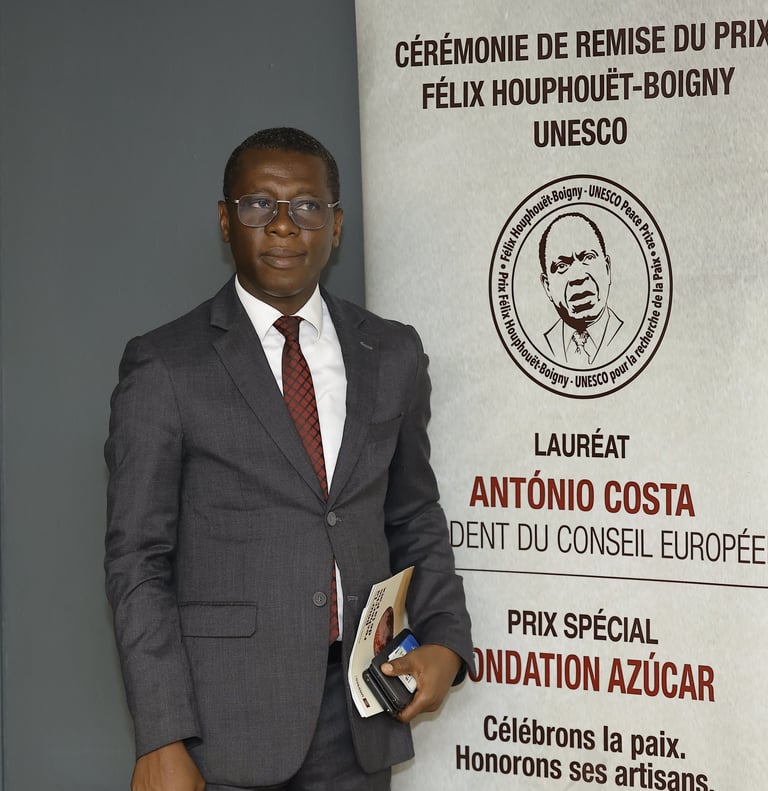
Kossi Dodzi Emmanuel AMEGNITO stands out as a leading figure in international development, recognized for his strategic expertise in governance and his ability to design and strengthen resilient human-centered institutions. With more than fourteen years of experience in executive roles within humanitarian and international cooperation organizations, he has led large-scale, multidisciplinary programs across twenty-two countries in West and Central Africa. His areas of expertise include governance, food security, gender, social cohesion, development diplomacy, as well as issues related to community resilience, climate, and the environment.
He holds a Master’s degree in International Development Administration from Andrews University (Michigan, USA) and a PhD in International Relations and Diplomacy from CEDS in Dakar. He combines rigorous academic training with extensive field experience gained in highly complex environments—from the Sahel to Africa’s coastal regions, and from humanitarian crises to sustainable development dynamics.
As Regional Director for West and Central Africa at ADRA International, Emmanuel has overseen the implementation of major initiatives funded by leading partners such as BMZ, NORAD, USAID, DFID, the European Union, UNDP, UNICEF, FAO, and WFP. Under his leadership, the regional office significantly strengthened its governance mechanisms, expanded its network of strategic partnerships, and consolidated its position as a key actor in humanitarian action, post-crisis transition, and integrated development planning.
His approach is grounded in a fundamental conviction: sustainable development cannot be achieved without ethical leadership, transparent governance, and active community participation. A visionary, he advocates for a form of development diplomacy rooted in trust, cooperation, and social innovation.
Alongside his operational responsibilities, he actively contributes to academic research on geopolitical dynamics and natural resource governance in the Liptako-Gourma region. His work focuses in particular on the geostrategy of African development, ethics and integrity in governance, and prospects for reforming African multilateralism.
Engaged in several international platforms, he is a member of the Canadian United Nations Association (UNA-Canada, Quebec) and actively participates in research and advocacy initiatives aimed at strengthening multilateral cooperation and the effectiveness of international institutions.
Founder of S.U.P.P.O.R.T. AFRICA Group and initiator of the Africa Business Diplomacy Forum (ABDF 2026), he works to connect young African professionals and members of the diaspora around high-impact projects in sustainable economics, entrepreneurial diplomacy, and continental transformation.
He is also actively involved in the Association of Togolese International Civil Servants (AFIT), contributing to its development as a platform for influence, solidarity, and collective excellence.
Now based in Sherbrooke, Quebec (Canada), he continues his mission of bridging academic research, public policy, and field action.
A humanist, bilingual (French and English), and deeply committed to the values of integrity and service, Emmanuel embodies a new generation of African leaders capable of combining strategic vision, ethical rigor, and human impact.
For him, leadership means transforming conviction into action and experience into hope.
PhD – International Relations and Diplomacy, CEDS Dakar – SENEGAL
Centre for Diplomatic and Strategic Studies (CEDS) – Dakar, Senegal
The PhD program in International Relations and Diplomacy at CEDS Dakar is designed to train experts capable of analyzing and shaping the major political, economic, and strategic dynamics of the contemporary world.
This advanced program explores key issues such as global governance, international security, geostrategy, sustainable development, and multilateral relations. It combines rigorous academic training with a practical orientation, bridging diplomatic theory with African and global geopolitical realities.
The curriculum places particular emphasis on:
The geopolitics of development and economic diplomacy;
Regional and multilateral governance mechanisms;
Conflict prevention and management;
Ethics and responsibility in international relations;
Negotiation, mediation, and strategic leadership.
Emmanuel’s doctoral research, conducted within this framework, focuses on governance, security, and natural resource management in the Liptako-Gourma region (Mali, Niger, Burkina Faso)—an area at the heart of challenges related to stability, cooperation, and sustainable development in West Africa.
Objective: to contribute to a renewed African perspective on development diplomacy and governance models adapted to the realities of the continent.
Master’s Degree – International Development Administration, Andrews University (USA)
Master of International Development Administration (MIDA)
Andrews University – Michigan, United States
The Master of International Development Administration (MIDA) at Andrews University is a high-level, multidisciplinary program designed to train leaders and managers capable of designing, implementing, and evaluating development policies and programs in complex and multicultural contexts.
Focused on excellence in managing social change, the program examines the foundations of sustainable development through an integrated approach combining economics, governance, organizational leadership, public policy analysis, and international cooperation.
Emmanuel’s academic path, completed with a dual concentration in management, governance, and development, enabled him to:
Develop strong expertise in strategic planning, monitoring and evaluation, and the management of humanitarian and development programs;
Master tools for participatory governance, institutional strengthening, and human and financial resource management;
Deepen his understanding of ethics, transparency, and social accountability in development institutions;
Connect development theory with real-world field interventions, particularly in Africa and post-crisis environments.
This program shaped his leadership approach: a mobilizing, human-centered, and impact-driven leadership style that places human dignity and collective transformation at the core of every initiative.
Academic Philosophy
“Combining scientific rigor with a vocation for service to achieve truly human-centered development.”
Areas of Expertise
“Expertise only matters when it changes lives.”


1. Governance and Institutional Reform
Emmanuel is widely recognized for his mastery of public and organizational governance dynamics, grounded in transparency, performance, and citizen participation.
He has led multiple institutional reforms aimed at strengthening the capacity of national and regional actors to plan, implement, and evaluate public policies in a responsible and inclusive manner.
His work focuses on:
Institutional and organizational analysis (structures, procedures, legal frameworks);
Participatory strategic planning and administrative modernization;
Change management and results-based governance;
Public accountability, anti-corruption efforts, and institutional integrity.
Objective: to transform institutions into credible drivers of sustainable change.
2. Food Security and Community Resilience
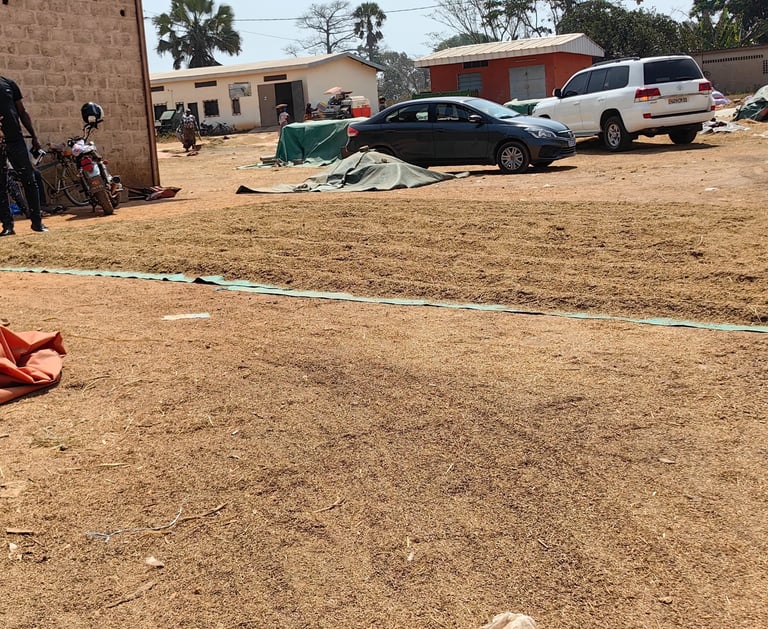
Having coordinated large-scale food security and post-crisis recovery programs, Emmanuel has developed recognized expertise in designing and overseeing integrated projects that promote nutritional security, environmental sustainability, and the economic stabilization of vulnerable households.
His approaches combine:
Climate-resilient agriculture and local value chains;
Livelihood strengthening and community-based resource management;
The Humanitarian–Development–Peace (HDP) Nexus approach;
Gender and youth integration in sustainable agricultural production.
His vision: an Africa that feeds, employs, and protects its communities through inclusive, locally driven models.
3. Gender Equality and Social Inclusion
Emmanuel places gender equality and social equity at the core of every development strategy. He has supported the design and implementation of policies and programs that promote women’s economic empowerment, prevent gender-based violence (GBV), and ensure equitable participation in decision-making processes.
His areas of action include:
Gender mainstreaming in planning and budgeting;
Community training and awareness on equality and human rights;
Women’s leadership and social entrepreneurship;
Monitoring international commitments (CEDAW, SDG 5, AU Agenda 2063).
For him, “equality is not a sectoral policy—it is a condition for collective progress.”
4. Development Diplomacy and International Cooperation
A specialist in development diplomacy, Emmanuel builds bridges between public, private, and civil society actors to strengthen intergovernmental and multilateral cooperation.
His experience includes mediation, policy dialogue, and the negotiation of high-impact strategic partnerships.
Key areas of intervention:
Development of bilateral and regional cooperation frameworks;
Promotion of African economic diplomacy and public-private partnerships;
Support for humanitarian coordination among governments, UN agencies, and NGOs;
Contributions to African multilateral reform and aid effectiveness.
His conviction: development diplomacy must serve people—not systems.
5. Crisis Management and Humanitarian Leadership
Emmanuel has led and supported major emergency responses in contexts of armed conflict, natural disasters, and social crises. He has built strong expertise in multisectoral coordination, risk management, staff security, and post-conflict recovery.
Core competencies:
Emergency planning and integrated logistics management;
Rapid humanitarian needs assessments (ERA) and monitoring & evaluation;
Conflict prevention mechanisms and community cohesion;
Training of local teams in participatory management and operational security.
His humanitarian leadership is guided by a clear ethic: to serve without distinction and protect without condition.
6. Strategic Communication and Institutional Relations
A strategic communicator and field diplomat, Emmanuel masters the art of institutional representation and evidence-based advocacy.
Let's collaborate
Let’s discuss your projects and explore opportunities for sustainable impact together.
info@emmanuelamegnito.com